
Exploring a new way to support people living with epilepsy
PBMRise is exploring how light therapy, also known as photobiomodulation (PBM), may help improve well-being and quality of life for people living with epilepsy.
Living with epilepsy can be very stressful due to the brain’s electrical changes, taking medications, and the social and emotional issues of living with a chronic medical condition. When your body is under stress (physical, mental, or emotional), it releases stress hormones, which impact the functioning of your entire body, including your brain. Stress can lower your seizure threshold, making it more likely to have a seizure. Our research team aims to investigate whether PBM, a safe and non-invasive light treatment, can enhance the brain's response to stress and promote overall brain health.
As part of the study, participants will also use the Õura ring, a comfortable and easy-to-wear device that tracks sleep, heart rate, body temperature, and activity patterns. This information will help us understand how low-light therapy may impact daily rhythms, stress levels, and overall recovery.
We will also include metabolic testing to learn more about how light therapy may influence the body’s energy systems and brain function. Together, this information may help uncover new complementary ways to support people who live with epilepsy.
Our goal is to explore new approaches that can work alongside current epilepsy treatments, helping individuals living with epilepsy feel better, manage stress, and potentially improve their everyday quality of life.
This groundbreaking research will be located at four sites: Cincinnati, OH; Houston, TX; Miami, FL; and Warren, OH. Learn about our team members here.


PBMRise would like to thank Epilepsy Wellness Advocates (EWA) for funding this important research and Saybrook University for overseeing the grant.
WHAT IS
PHOTOBIOMODULATION?
Photobiomodulation (PBM) utilizes light to facilitate the body's natural healing process. This light helps the cells in our body make more energy. It does not hurt; in fact, you may only feel a low level of heat during the treatments. This boost in energy may help you manage stress. PBM is being researched for potential benefits in reducing the impact of stress associated with many brain disorders.
PBM is a gentle red/near-infrared light delivered to the brain through the scalp and nasal passage with a safe headset. To support cell health, the light, being a vibration, invites your neurons to vibrate at the same rate. This encourages functional changes in your brain to help you manage stress more effectively.
Safety Measures: The light levels emitted are within safety standards. The device has timers & temperature limits. In this study, we carefully chose those frequencies that are most suited for the reduction of the brain’s response to stress.
Experimental Evidence: While PBM has a long history in treating skin, eye, and pain issues, its use with the brain is new and still experimental. There is no evidence that managing seizures in persons with epilepsy can be treated with this intervention. There is also no evidence that the intervention causes seizures. What we learn in this study will contribute to the growing scientific interest in using PBM for brain-based disorders.
The Vielight PBM devices that we are using are not FDA-registered or FDA-cleared primarily because they have not undergone the FDA’s formal evaluation process required to determine safety and efficacy for the treatment or diagnosis of any specific medical condition. Devices marketed for “wellness,” “cognitive enhancement,” or “improved energy” can be used without FDA clearance if they do not claim to treat, cure,
or diagnose specific diseases.
Õura Ring
As part of the study, participants will also use the Õura ring, a comfortable and easy-to-wear device that tracks sleep, heart rate, body temperature, and sleep and other activity patterns. This information will help us understand how low-light therapy may impact daily rhythms, stress levels, and overall recovery and may be used to show you the impact of stress and allow you to make healthier choices. You will need to wear this ring day and night while participating in the study.
· There are the following sensors on the ring:
o Red and infrared LEDs measure blood oxygen levels
o Green and infrared LEDs alternate to measure heart rate and heart rate variability 24/7, and respiration rate
o Digital sensor measures temperature trends
o Accelerometer tracks movement and activity 24/7

Metabolic Testing

This study is unique and the first of its kind in that, in addition to EEG assessments of brain waves and your awake and asleep trends from the Õura ring, we are measuring blood, hair, and urine data to establish metabolic baselines and changes for each individual participant. This information will be reported in group fashion. A study like this requires such care and specificity since endocrine issues, oxidative stress, and cellular toxicity contribute to physical and emotional stress, which, in our participants, may lower perceived stress and improve quality of life. By measuring these elements before and after photobiomodulation sessions, we will be able to see if changes occurred on a deep, cellular level and actually improved physiological health. We will then compare this to self-report measures to evaluate whether participants' subjective experiences of change match what their bodies and brains are doing.
About Us


Michael
Holly
Ron
Cynthia

Steph
-
Principal Investigator, Napa, CA
Dr. Kerson has been involved in neuromodulatory research for over 20 years. She is the Associate Director at Saybrook University's Applied Psychophysiology Program and serves as the Director of APEd (Applied Psychophysiology Education).
-
Co-Principal Investigator, Houston, TX
Ronald J. Swatzyna, PhD, received his Master of Science and Doctor of Philosophy in Social Work from The University of Texas Arlington. Currently, he is the Director/Chief Scientist of Neurophysiology Research at Houston Neuroscience Brain Center and Founder of Clinical NeuroAnalytics, LLC. Dr. Swatzyna is a licensed clinical social worker and board certified in neurofeedback and biofeedback by the Biofeedback Certification International Alliance (BCIA).For the past 24 years, Dr. Swatzyna has analyzed and treated the most diagnostically challenging cases in both inpatient and outpatient settings. Eighteen years ago, he started acquiring electroencephalography (EEG) and quantitative EEG (qEEG) data to identify neurological causes for psychiatric symptoms. As a researcher, he has presented and/or published over 100 peer-reviewed papers on brain injury, dysfunction, psychiatric medication, and other related topics at national and international conferences.Dr. Swatzyna is the Chair of the Sigma Xi Institutional Review Board (IRB) and is a board member of the Rice University/Texas Medical Center Chapter. He is also a member of the Neuropsychiatric Electrophysiology Section of the World Psychiatric Association. Dr. Swatzyna is a retired City of Arlington, Texas professional Firefighter-EMT-I and a veteran of Vietnam and the first Gulf War. Finally, his personal battle with traumatic brain injuries and posttraumatic stress disorder has motivated him to become a leading expert in brain dysfunction and treatment.
-
Co-Investigator, Cincinnati, OH
Steph specializes in making mental health measurable using the EEG, which then allows her to tailor an eclectic combination of brain trainings, psychotherapy, and metabolic changes to reduce symptoms in a meaningful, holistic, and long-lasting way. She is passionate about providing these highly specialized and expensive services to low income populations and has a nonprofit branch of her private practice to sponsor brains and break cycles.
She owns and clinically directs Right Mind Wellness Center in Cincinnati, OH, which moved locations last year to strategically partner with Pregnancy Center Plus and improve the mental health of low income pregnant, postabortive, and postnatal women and their partners from a brain-based perspective.
Steph remotely trains over 27 brains both nationally and internationally using home use EEGer neurofeedback and maintains a caseload of 30 in-office psychotherapy and neurotherapy appointments each week. She is simultaneously spearheading a recently approved research study evaluating the effects of photobiomodulation on stress-induced seizures in Epilepsy. Before this and in partnership with a sound engineer, Steph completed a project in 2024 that converted music into bilaterally stimulating brain wave signaling in order to change mood, sleep, and focus states.
Steph travels and Zooms to teach counseling and neurotherapy techniques and is a mentor with the BCIA for pre-certificants seeking their BCN. Steph is also fluent in Spanish and provides bilingual services.
-
Medical Coordinator
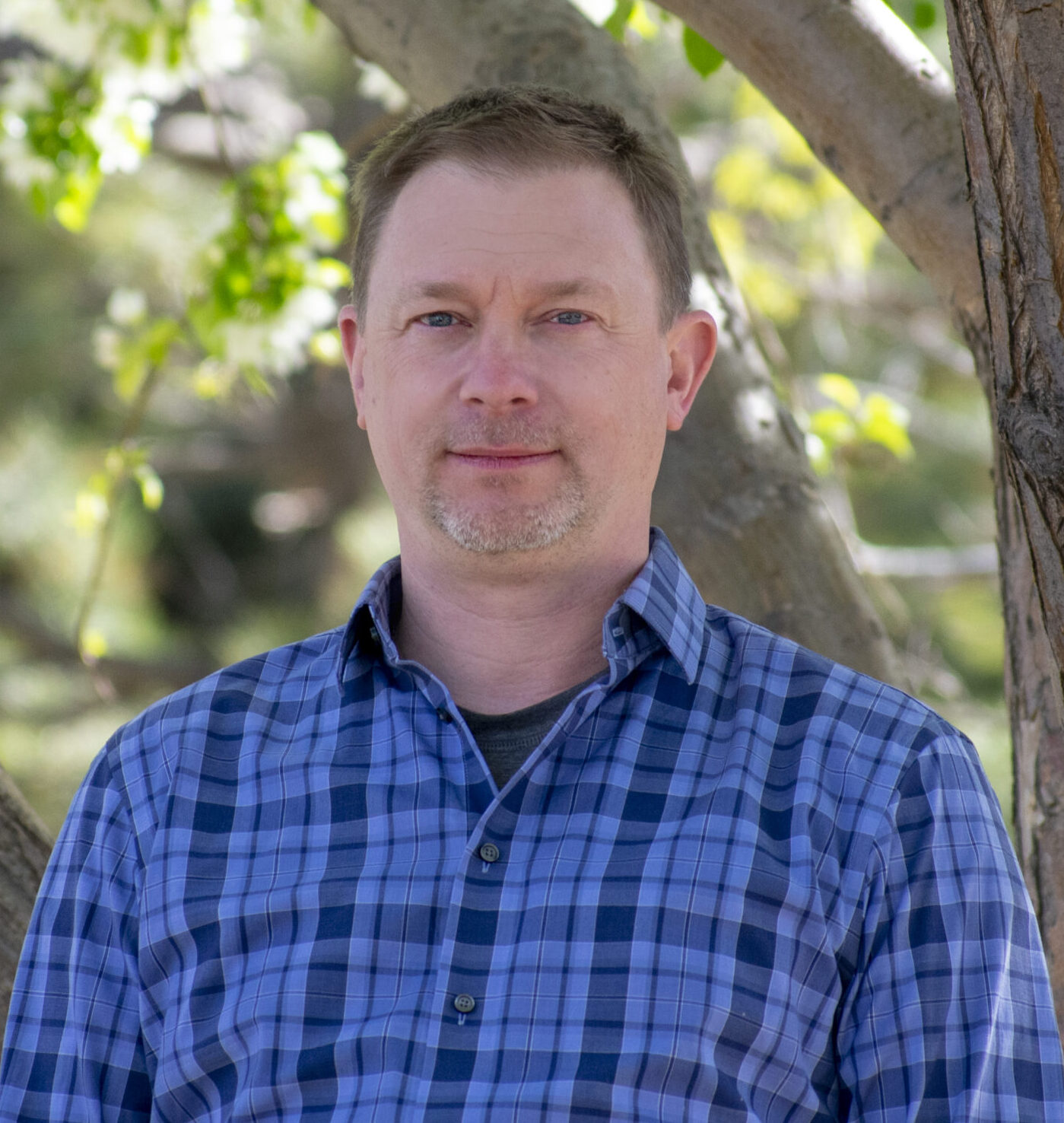
Michael completed his Doctor of Chiropractic from the original Palmer University in Iowa and went on to earn a board certification in Neurology from the American Chiropractic Association (ACA) Board of chiropractic neurology, and currently serves on the exam committee. He was medical director of a 100-bed destination wellness retreat center with a team of 30 staff and doctors. He taught neurology candidates in the preceptorship-internship program and in clinical neurology, neurological and physical examination, differential diagnosis, and clinical and molecular neurochemistry, and lectured widely and designed products for the health food industry.description
-
Co-Investigator, Warren, OH
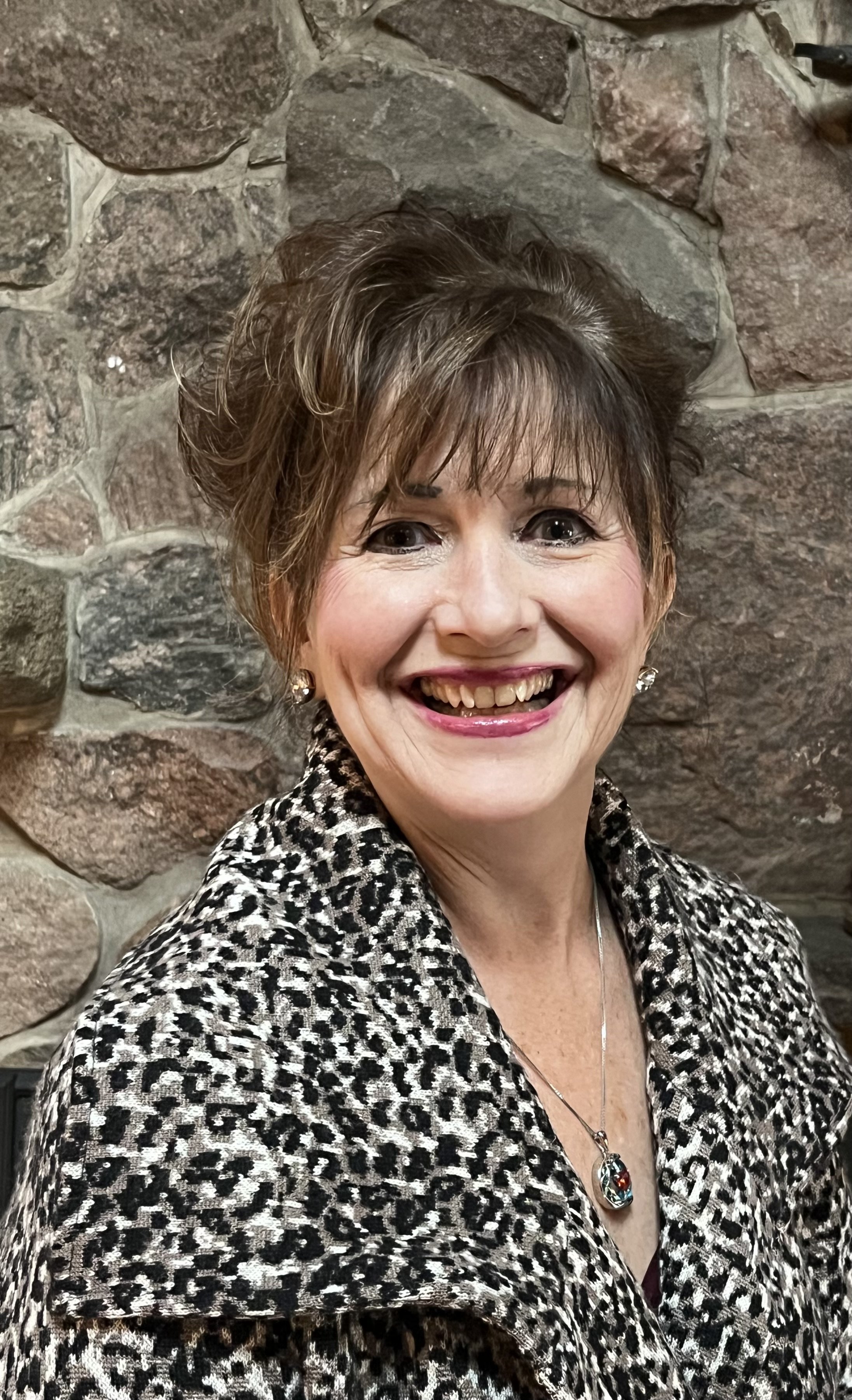
Holly Maggiano, MD attended Medical College of Ohio. She completed her neurology residency and neurophysiology fellowship at the Cleveland Clinic Foundation. Dr. Maggiano has managed a private neurology practice for 30 years in Warren, Ohio. She is also the medical director of Patriot Hospice in Girard, Ohio. Dr. Maggiano is member of the medical advisory board for Empowering Epilepsy. She is a founding member and active president of Earth Angel Farm, a 501c3 non-profit organization which supports wellness initiatives and community.

Dirk
Natasha
Alexandra

Rusty
-
Co-Investigator, Houston, TX
Alexandra Roark, LCSW, BCN, is the Assistant Director and a Child & Adolescent Therapist at the Houston Neuroscience Brain Center. She earned her Master of Science in Social Work from The University of Texas at Austin and is currently pursuing her Doctorate in Applied Psychophysiology at Saybrook University. Alexandra is a licensed clinical social worker and board-certified in neurofeedback by the Biofeedback Certification International Alliance (BCIA). As a researcher, she has presented nationally and published peer-reviewed papers on brain dysfunction and related psychophysiological topics. She also serves as the Research Compliance Officer on the Sigma Xi Institutional Review Board of Directors.
-
Co-Investigator, Miami FL
Natasha Nesic holds dual master’s degrees in Mental Health Counseling and Expressive Arts Therapy from Lesley University in Boston. She is currently a student in Clinical Applied Psychophysiology at Saybrook University, where her research focuses on photobiomodulation (PBM) and its impact on Autism Spectrum Disorder. Natasha has published work on integrative counseling and art therapy approaches in the treatment of PTSD, bridging creative therapies with evidence-based clinical practice.
As the Founder and Clinical Director of Brain Health Center Miami, Natasha integrates advanced psychotherapeutic modalities with neurofeedback, neuromodulation, and biofeedback to offer a comprehensive neuroscience-informed clinical approach.
Natasha is also deeply involved in community mental health. As the Founder and Clinical Director of Mental Health & Art Therapy Services (MHAT), she leads a multidisciplinary team of therapists who provide essential services to chronically mentally ill residents living in assisted living and residential care facilities throughout South Florida.
Her work reflects a commitment to innovation, compassion, and the integration of mind–body neuroscience with creative and relational healing.
-
Consultant
Dr Robert P Turner is owner of Network Neurology Health LLC, an integrative neuroscience mentoring practice based out of Charleston SC, providing consultative mentoring, promoting whole-person brain and physiologic health, EEG interpretation, QEEG mentoring, and inpatient pediatric neurology/epilepsy hospitalist consultative work in several states (due to the shortage of pediatric neurology/epilepsy providers). From 2013-2020, he owned Network Neurology LLC, a busy clinical neurology/neuromodulation practice performing neurological evaluations, brain health-focused treatments, and QEEG-guided neurofeedback.
As a neuroscientist with 40 years’ experience, Dr Turner has over 10 board & subspecialty certifications, and is a skilled neurologist and epileptologist trained in pediatrics and child/adult neurology, EEG & clinical neurophysiology, electrodiagnostic medicine, epilepsy, neuromuscular diseases, neurodevelopmental medicine, clinical research, biostatistics, and epidemiology.
Dr Turner currently holds multiple academic, clinical, and research positions in South Carolina and several other states. While in medical school, he also pursued graduate training in piano performance. After medical school, he completed internship and residency training in pediatrics at UNMC in Nebraska, completed two specialty fellowships in child/adult neurology and then clinical neurophysiology/EEG at MCV in Richmond VA, followed by both academic and private practices.
-
Consultant
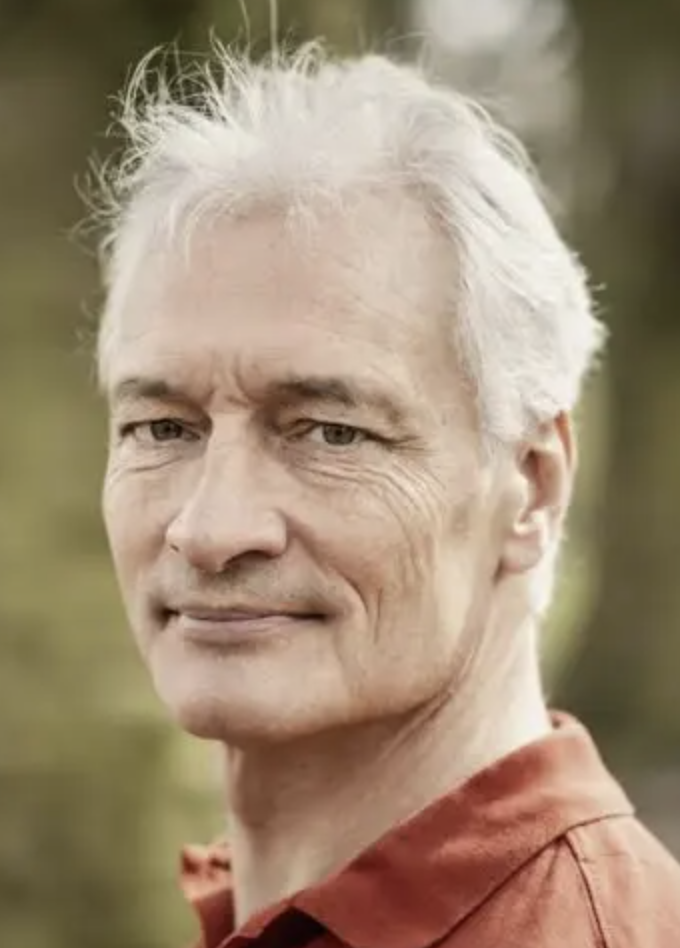
Dirk De Ridder, MD, PhD, is professor of Neurosurgery at University of Otago in New Zealand and co-runs a private neuromodulation clinic in Belgium. He is also associated with Manipal University in India, Trinity College in Dublin, and teaches at the University of Bonn in Germany.
He has developed “burst” and “noise” stimulation as novel stimulation designs for implants, and is currently working on multifocal or network stimulation, as well as reconditioning stimulation.
With more than 25 years of clinical and research practice he has co-edited 4 books, written 56 book chapters and more than 340 pubmed listed journal articles. This has resulted in a Google Scholar H-index of 87, with more than 35,000 citations
